
1. Using the provided articles regarding the issue of Muslim women seeking health care to answer these prompts:

Briefly explain how the modern medical practices described in the articles conflicted with the belief systems of the women seeking medical care. (5 pts)
I’m going to take a deeper dive into this prompt than I expected of students, but this impulse arose from the fact that students tended to focus on just two issues in this opening prompt for their assignment submissions, namely the medical system and the woman’s health. Her religion was considered an integral part of the woman and as if it is immutable and to be unchallenged. But there are three very important factors to consider here in their impact on the woman: The medical system, the woman’s health, AND her belief system. Let’s explore each equally, avoiding bias as much as possible (both positive and negative).
- Health System: Yes, this can support the woman positively to provide her with health care. But if the care provided conflicts with her belief system, it can negatively impact her. Her belief system requires that she either have a female doctor OR a male doctor while she is accompanied by a male relative. The former can be difficult if women doctors are few and the latter is difficult to coordinate with male family members working. The difficulty meeting her cultural needs can increase the woman’s stress, which negatively impacts here health. Dealing with people intolerant of her needs can ALSO increase stress. At the most extreme, if a patient avoids treatment because it isn’t possible to meet her cultural needs, her health will suffer and she may risk serious illness and even death.
- Her health: This is pretty straight forward. A woman’s health impacts not just her, but how well she can contribute to the welfare of her family. It can impact her ability to produce and raise children, which is important for more traditional families, such as those who practice orthodox versions of Islam. This can impact her relationships with her husband and his family, as her status as a mother and wife gives her status and a measure of power in his family. All of these factors can enhance her health or detract from it when stress increases.
- Her belief system (Islam): It is important to recognize that we can view a belief system with an “etic” perspective, viewing its impact on those who practice it with a neutral eye. That means we can observe both positive AND negative impacts. In the case of Islam, remember that belief systems serve as a form of behavior control for the society that practices it, and this is certainly the case here. Islam, practiced in its strictest form, is highly restrictive on women. It sets behavioral rules regarding what they can do and who they can do it with. It sets boundaries on how much of the body can be shown in public and to strangers. It is this last set of rules that impacts the “medicine/health” issue. There is no judgment here. This is the reality, and we can recognize that this reality makes it difficult for women to seek health care treatment in modern medical settings.
The final point here is a recognition of an assumption we seem to make here: We expect the medical community to adapt to the rules of the faith. We expect the woman to make accommodations to the faith. But we don’t seem to expect the belief system itself to make changes, even if it would mean a better health outcome for the woman. We won’t explore this further, but I want to leave you with the understanding that we don’t seem to put any onus on religion making changes to support its followers. We expect everyone else to adjust to the religion. Is this a reasonable approach? And why do we think like this?
Moving on…
Do you think it is the responsibility of the medical practitioner to understand and mitigate this conflict? Or is it the responsibility of the patient to “bend” to medical practices? Or is it a mix of both? (5 pts)
It is a mix of both. Yes, we should expect care givers of all types to at least recognize that cultural differences exist and work to expand their knowledge of various belief systems. They also need to be prepared to listen to patients and learn from them with regard to their cultural/religious needs, as doing so enhances their care and recovery.
That said, there are so very many cultures and beliefs out there, is it even possible for caregivers to understand or even know about these cultural differences? I suggest patients need to recognize the need to become their own best advocates, explaining their needs. This doesn't have to be confrontational and the patient should be willing to listen if their caregivers explain any logistical/health limitations for meeting their cultural needs. If communication is open, patients can then make their own choices fully informed. Both sides need to take responsibility for this.
What types of actions can medical facilities take to help reduce this conflict from negatively impacting a person’s health? (5 pts)
Lots of examples of this: With regard to modesty, I suggest clinics need to start assuming that modesty is the norm, rather than the lack of it. It would be great if intake forms for new patients included questions about cultural/religious needs, so that information is up-front and ready to be incorporated into care plans, with key concerns being “flagged” to bring attention to the caregiver. I would also suggest that bringing awareness to cultural differences and diversity needs to start with training in all medical fields. Doctors, nurses, and all others in the medical field need to be taught from the very beginning to be cognizant of cultural differences and needs, as well as the positive impact respecting these differences can have on their patients.
There are many examples where a patient’s belief system may conflict with modern medical practices. Identify and briefly describe one example. (5 pts)
Other than the example in the article, a common example is those who observe the practices of a Jehovah Witness, who don’t accept blood products. That means that they would not accept transfusions of blood from others in cases of emergencies.
2. Using the article and video about “The Pitt” episode, answering following prompts:
First question: How would you have responded to the challenge Noah Wylie’s character makes to the women in the ER? Would you have chosen modesty and death or temporary immodesty and life? What personal factors shape your response here (and this can include anything from gender to education to religion, etc)? (5 pts)
Every student in this class chose “life” over “modesty”. That would be my choice as well and this arises from the value I have been taught to place on my own life from family, my education, and my life experiences. Even though I am personally an atheist, I had influence from religious members of my family, so there may be a religious component to this as well.
The issue of “modesty” was a key issue here. Male paramedics were uncomfortable touching and exposing a woman’s body in order to correctly treat her. Where does this issue of “modesty” arise? Can you trace this to any even distant religious beliefs or religious culture practices embedded deep into our modern culture? (5 pts)
First, we should recognize that not all cultures have the same concept of “modesty” that we do. The idea that the body must be covered is not a cultural universal. The negative attitude towards opposite sexes touching and engaging in social practices, touching and sex is NOT by any means a general cultural rule. So we can’t assume that modesty is just part of being human.
It is also important to recognize that there IS some commonality of modesty needs among the Abrahamic faiths, in practices and in origin stories. These belief systems are deeply embedded in our society, having been incorporated into our expected practices and codified into laws (such as anti-nudity and anti-breastfeeding laws).
Part of the problem is that these issues (many arising from religious beliefs) have become so infused into our culture that we aren't even aware of them or of their origin. They are a reflex action rather than a conscious choice. That means a caregiver can act in a way that threatens the life of a patient without realizing that they are doing it.
There are many examples where a *caregiver’s* belief system may conflict with modern medical practices. Identify and briefly describe one example. (5 pts)
Examples of these are in the news every day. We see this most commonly in relation to reproductive health care, with doctors refusing to do abortions on women, even in life-threatening conditions. We also see it in pharmacists who refuse to distribute birth control medication because their beliefs don’t agree with preventing abortion or because they believe that birth control encourages people to have sex. But we also see it in parents (as the caregiver) when they refuse to have children immunized because of their beliefs. No, parents are not trained medical caregivers… and that’s kind of the point. They are making medical decisions, stepping into that role of a medical caregiver because their belief system makes them feel it is justified.
3. In both situations, we see where belief systems and modern medical practices might conflict, but one example involves the belief systems of the patient while the other involves the potential belief systems of the caregiver. Compare the two to address the following prompts:
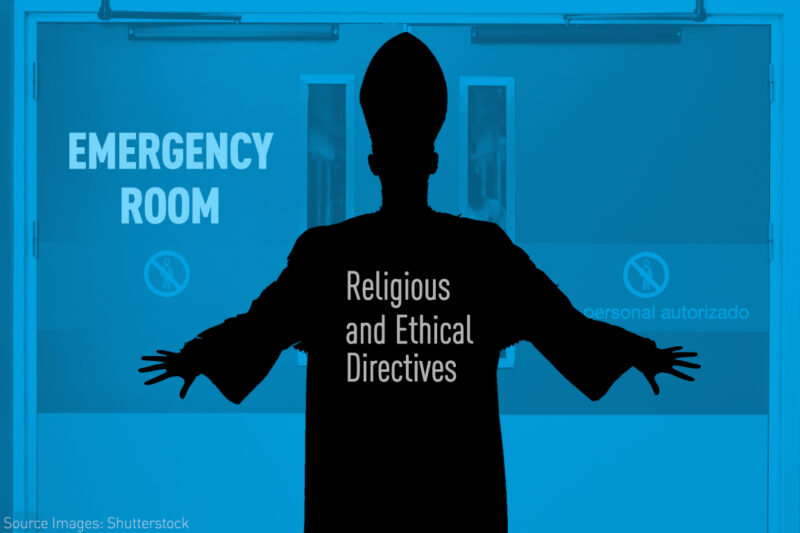
Are the two directly comparable? Who is harmed in both scenarios, the person with the belief system or others around them? (5 pts)
Yes, we can compare these two scenarios (meaning they are “comparable”). In both cases, we have a person’s belief system impacting the treatment and welfare of the patient.
Where they differ is with *who’s* belief system is involved. With the case of the Muslim woman, it is her belief system that is conflicting with medical treatment. Now, these ARE her belief systems. We could have an entire lecture on whether these beliefs benefit her or control her (to the benefit of a strongly patriarchal society) but she is walking into the examining room with the full knowledge that these are her beliefs. She has accepted them and the consequences, so when conflicts arise, she has already signed on for that particular “social contract”, acknowledging that she is willing to risk her health to honor her belief system.
Did the female patient in the “Pitt” episode have that chance to agree to that social contract? Or was it pushed on her against her will? The male EMT, consciously or unconsciously, made a choice based upon his own belief systems to protect her modesty. She didn’t ask for this. He assumed. And the price of that assumption was nearly her life. In this example, it wasn't the person with the beliefs that was harmed. It was someone else, a patient depending upon the caregiver to save her life. We all have our own beliefs and we accept the consequences when those beliefs may restrict or negatively impact us. Can we use our beliefs to impose those restrictions/impacts on others who didn't agree to accept those consequences?
If patient outcomes benefit from a medical team mitigating different cultural beliefs, shouldn’t healthcare workers *always* work to respect their cultural beliefs? Are there any circumstances where taking the time to make sure cultural beliefs are respected might threaten the life of a patient? (5 pts)
I think there is a general consensus that, as caregivers, a balance needs to be achieved between respect for cultural differences and the patient’s life. It is important to recognize that incorporating a patient’s belief system into a care plan can *enhance* their health and recovery. But in emergency situations where time is limited, exploring cultural components are not the priority there. Survival is.
If a patient’s health can be harmed from the belief systems of a caregiver, should that caregiver be required to ignore their beliefs? Is there a difference between practicing beliefs for yourself and acting in a way that requires others to live according to your beliefs? (5 pts)
This is the source for the hot topic of abortion in the US. We have caregivers (and politicians) who have very specific beliefs regarding reproductive healthcare, for women specifically (not men). They act in a way that supports their beliefs regardless of whether those beliefs are also those of the women impacted by the doctor’s actions (and the politician’s laws). In a country like the US, this edges into the realm of "religious freedom" and first amendment rights, though not in way many people think it might. Religious freedom is not just about worshiping as you wish. It is also about no one being able to force you to worship as they do. When a caregiver restricts medical treatment for a patient based upon their personal belief systems, they are forcing that patient to live according to their beliefs.
Some students opted to note that a possible solution is to allow caregivers an “out”, letting them step back from the patient and handing their care over to another caregiver who isn’t conflicted between their beliefs and their job. But in reality this often CAN'T work. There are rural areas with very limited numbers of clinics and care providers. Sometimes, a doctor is the only one available. So what takes priorities in those circumstances? The patient's health? Or the caregiver's beliefs? The "solution" you raise isn't always a solution. The conflict still exists. So should this “out” be permitted? I certainly have my opinion on this, but this gives you an idea of why this debate is so emotional and bitter.
4. Reflect on what you have learned from this assignment. Did the answers to these questions strike you as easy to answer, “black and white” in nature? Or did you struggle to find a balance between respecting belief systems and being concerned with a patient’s welfare? Explain your answer. (10 pts)
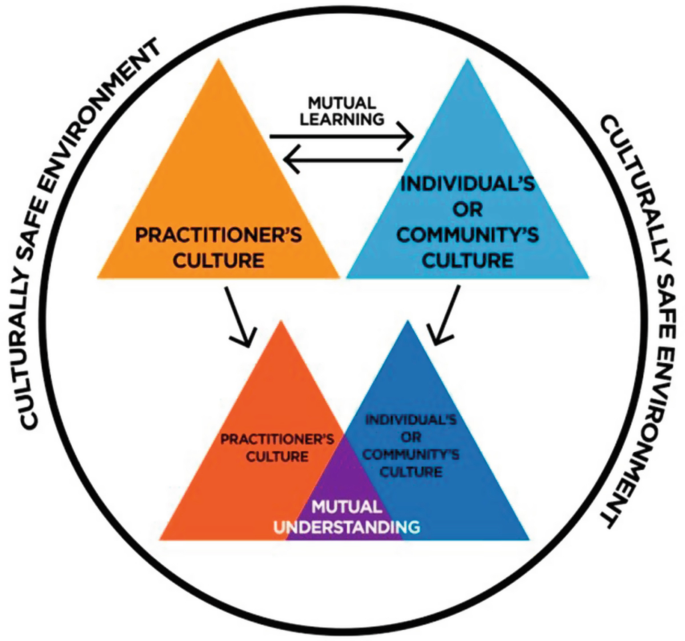
As you can tell by the length of my post, this topic is not a simple one. While opinions can seem straightforward, *answers* and *solutions* are not so black and white, as related conflicts arising from these situations and scenarios exist in real life. These are not hypothetical philosophical discussions or fodder for imaginary scenes on a TV show. These are based in real life. These events and conditions are real and the negative impact they have on patients is ALSO real. It is in discussions and explorations like this that we might find those real-life solutions.
I suggest the core message here is two-fold (noting that multiple tangents are possible).
First, healthcare is more effective when it is approached in a holistic manner. That means treating the *person*, not just the symptoms, and a caregiver's beliefs should not be permitted to impact how they treat a patient that brings them harm, as that is against their oath/job as a caregiver.
But patients need to recognize that they also bear the responsibility to advocate for themselves AND that there may be logistical limitations in meeting their cultural needs. They may have to choose between being healed and observing all of their beliefs. That may not be an easy choice for them, but as long as they are fully informed, they have the right to make that choice for themselves.


No comments:
Post a Comment