

In 2000, a man named Robert Putnam published a book called “Bowling Alone”. It summarized and expounded upon his extensive analysis of what he saw as a decline in American society from the 1950’s onward that he described in terms of three different categories:
- Political Participation: He noted that voter turnout and
participation had dropped precipitously since it’s height in the 1950’s.
- Civic Engagement: He noted plummeting membership in organizations like labor unions, the PTA, and the Red Cross.
- Informal Socializing: The practice of hosting dinner parties was starting to disappear, along with formally common behaviors that helped a person know their neighbors. Even socializing with extended families was in decline, and this was well before the advent of cell phones and streaming networks.
Why was this a concern? Because the presence of those practices at higher levels coincided with the rise of the middle class in the post-WWII rise of the middle class in the US, starting in the 1940s with Roosevelt’s New Deal. With this expansion of this middle income group came a rise of productivity, education, and welfare across the nation. It is said that “a rising tide lifts all boats” and this seemed to be true as the improvement in the success of the middle class also led to increased wealth of the affluent and also drew more people out of poverty. It drove innovation and scientific advancement, producing such things as the path to the digital revolution, astounding medical advancements and man’s first step on the Moon.
Was the decline in political, civic and social engagement reversing this trend? Putnam’s analysis seemed to suggest this was having a negative impact on that critical middle class (sinking the boat, so to speak), so he set about trying to figure out what was happening.
What he found is that there seemed to be a connection with this decline and the parallel decline in people “joining” various groups… such as bowling leagues.
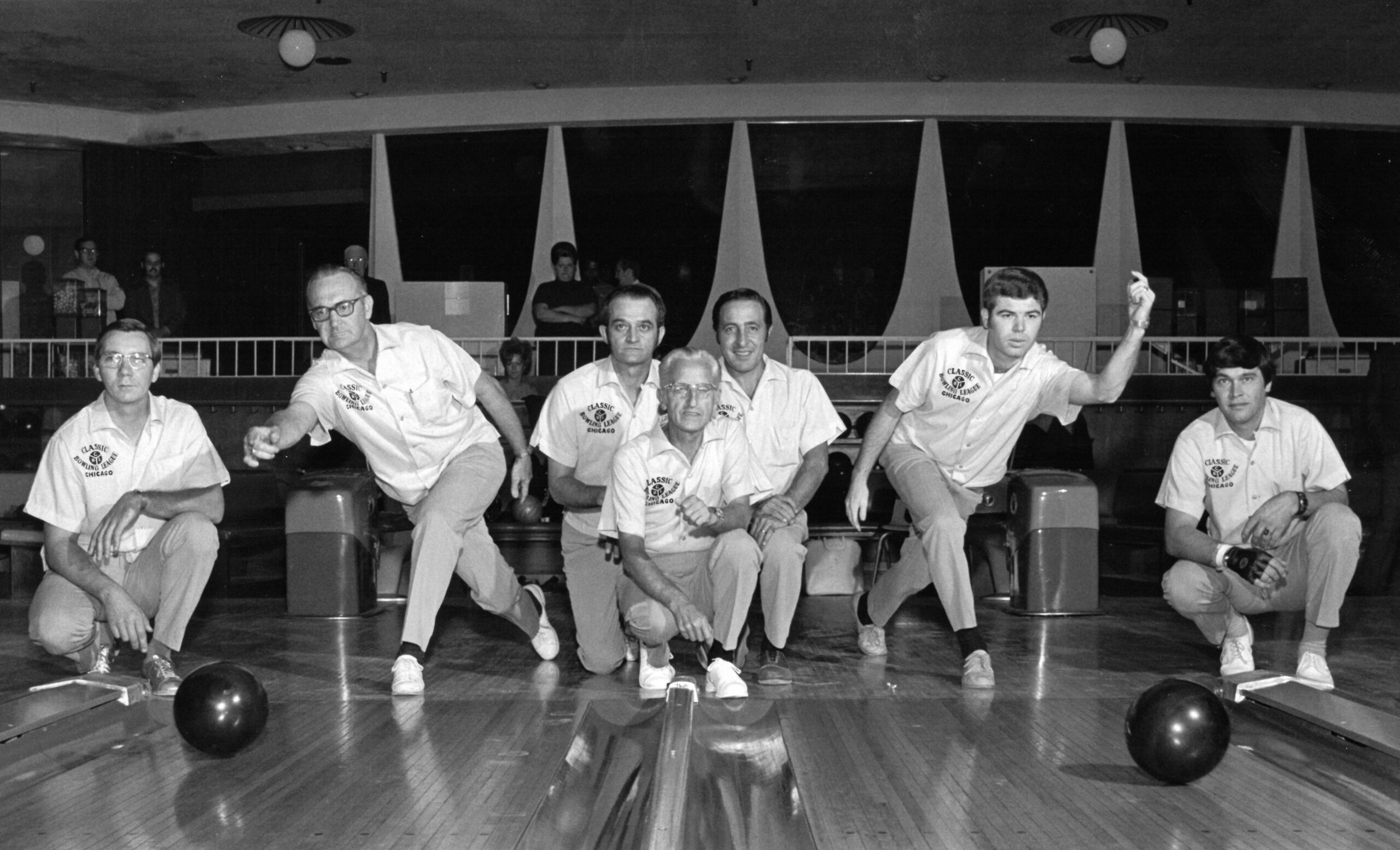
Not sure if anyone here is old enough to remember this, but throughout the 1960’s and 1970’s, bowling was *huge*. Everyone who was anyone in the middle class belonged to a bowling league and bowling alleys were as prolific in communities as coffee shops are today. Bowling leagues were not just fun. They allowed people to socialize, to get to know their neighbors, to catch up on gossip, and to track changes in their community.

But Putnam argues that something even more important arose from groups like bowling leagues: Social Capital.
Putnam defines “social capital” as:
“a wide variety of quite specific benefits that flow from the trust, reciprocity, information, and cooperation associated with social networks. Social capital creates value for the people who are connected and – at least sometimes – for bystanders as well.” (http://bowlingalone.com/?page_id=13)
Humans are social creatures by necessity. We can NOT live alone in this complex and sometimes dangerous world. We need people for protection. We need people to gather resources. We need people to help build shelter. We need people to reproduce. And we need people emotionally for our mental health. That’s just how we are built through evolutionary processes. Individuals who were good at building their social networks (even in pre-historic times) were more likely to survive and pass on their genes to the next generation.
 |
| A reconstruction of life near Göbeklitepe 10,000 years ago, showing early communities cooperating with stone tools during the transition toward agriculture |
There was another advantage to social networks: If you demonstrated that you were trustworthy and reliable, that people could count on you, that raised your “social capital” which you could “spend” by asking others for help and support. Think of social capital like a form of money. As you helped others in your community, you earned social capital. When you need help, you can use the social capital you have earned in exchange for support and assistance. And, just like money, you can lose or waste your social capital by being *untrustworthy*. If people can’t count on you, your social capital drops and you are isolated.
So what concerned Putnam was that the drop of “joining” groups like bowling leagues (and many other examples) represented a decline in the circulation of “social capital” in society, leading to people’s isolation and reducing everyone’s success across the board. This (at least in part, according to Putnam) was leading to the disturbing drop of the success and welfare of the US middle class.

So how does that relate to this course?
We’ve been spending a good portion of this course so far trying to understand the *function* of belief systems. Could “social capital” be pertinent here?
Here’s your prompt question for this bonus discussion:
Consider the various forms of belief systems we have explored so far in this class along with the more “traditional” forms (like organized religion). Can these systems help an individual generate their “social capital”? Provide an example of how this can happen and explain how increasing “social capital” benefits a community. And what activities do YOU take part (not just religious activities) in that help you build your “social capital”?
Respond to this prompt, addressing the required points, for 5 bonus points. If you wish, respond to another student comment, providing a critical review of their point (positive or negative) for an additional 5 points.


Yes. Shared beliefs naturally bring people together. By giving a community common values and a reason to gather regularly, belief systems create the trust and cooperation needed to build social capital.
ReplyDeleteIn Haitian Vodou, communal rituals, dances, and ceremonies bring people together outside of official systems.
How it builds trust: Practitioners support each other, share resources, and provide local care.
How it helps the community: High social capital creates a reliable safety net during hard times and allows neighbors to organize and solve local problems together.
Personal Ways I Build Social Capital
Running Groups: Training with others builds accountability, encouragement, and trust through shared goals.
Gaming & Hobby Clubs: Meeting up regularly for strategy card games or creative writing creates strong social connections around shared interests.
Community Involvement: Helping neighbors with outdoor work or attending local events fosters everyday trust and mutual support.
Hi Shahab, I really like how you mentioned how Haitian voodoo is a great example of people coming together in order to create a community. I think after reading all about it it’s one of the best examples because by them coming together, they were able to overcome racism and create their own power. I also really like how you mentioned how gaming and hobby clubs are a great way to work and build a community of your own.
DeleteI agree that shared beliefs absolutely bring people together and create a community. One example of this is organized religion. Another example would be people who practice witchcraft. Although it's not a typical practice, those who are involved come together to create a community and practice what they believe in.
ReplyDeleteIncreasing social capital benefits a community because people are more willing to help each other, share resources, and work together to solve problems. One community that I personally take part in to build my social capital is theater. Theater is all about coming together and forming a community of people who all love the same art form.
I totally agree with your point about how shared belief systems like organized religion or alternative practices really bring people together and build a strong sense of community!
DeleteI think it is great that you have found a community like theater to increase your social capital. Being able to share professional and personal advice on and off the stage must be incredibly rewarding! I also agree that social capital. even in organized religions that are not practiced often, is important to help build community and share beliefs.
DeleteI completely agree with your point about theater being a strong social capital builder. Creative and collaborative spaces like theater require high levels of trust, clear communication, and mutual reliance—all of which naturally generate strong social bonds.
DeleteBelief systems like organized religion or other spiritual practices are a huge way people build social capital because they bring folks together and build real trust. For example, being part of a faith-based community means you've got a strong network of people who share your values and are ready to help each other out. Boosting that social capital makes a whole community better off because everyone becomes way more willing to share resources and work together to tackle problems. Outside of that, I build up my own social capital by hitting the gym regularly, hanging out with friends, and joining group activities where people lift each other up.
ReplyDeleteI definitely agree that the shared values and support of religion are a major driver of social capital. I've seen churches that form an internal, almost political, hierarchy that drives who gets support and help. There is one woman in my church who struggles with a variety of health issues but is a skilled crafter and seamstress. People in the church bring her food and help take care of her house when she gets sick, and in return she will help mend holes in blankets or give advice on crafting projects.
DeleteI really like how you highlighted the mutual support aspect of faith communities. That shared network where people are genuinely ready to assist one another is a prime example of social capital in action.
DeleteI agree, a shared religion and the communities it creates can generate a lot of social capital. Religious leaders and figureheads generate a lot, as they are most trusted and are looked to for guidance. It also provides shared spaces and events as opportunities to generate social capital, like potlucks, religious services and holidays, etc.
DeleteIn my view, social capital is one of the most important functions of religion in a society. Organized religions, as well as belief systems that require community cooperation, promote the building of relationships in the community as well as the establishment of connections and trustworthiness. For example, the woman who organizes the church bake sale might gain more recognition in the community, and so when she asks someone to watch her kids for the day they agree. In societies like the Abelam, success of failure in Yam growing determines the extent of one's social capital. Someone who successfully grows a massive yam is perceived to have good control over his behavior and be a good target for alliances. Things that increase social capital are often beneficial to the community as a whole. In the bake sale example, the woman managed to raise money for her church to spend on charity and maintenance. The Abelam man proved their village superior to the opposing ones.
ReplyDeleteI absolutely love to play with social capital. I earn it by throwing parties, providing snacks during meet-ups, and helping others with their homework or other problems. In return, I get invited to events, am included in gossip circles, and no one tries to mess with me. I also participate in a lot of charity work, but that's more for fun than anything.
This is a bit of a tangent, but I just finished an abnormal psych course so it's on my mind. A lot of mental disorders are related to an improper response to social capital. Many people with personality disorders are ostracized because they don't attempt to gain social capital or don't honor that of others, making them seem rude or ungrateful. People with ASD don't always recognize the unwritten rules that social capital creates or might find them incredibly confusing or frustrating. It begs the question of whether there is a specific chemical or section of the brain that regulates the reaction one has to socialization.
Hi Joyce! Your discussion was really interesting to read. I like how you discussed the Abelam's way of gaining social capital, with their behavior being measured by the size of the yam they grew. It's definitely important to be seen as emotionally regulated and trustworthy within your community, and this is their way of measuring that. What you brought up about mental disorders and social capital is interesting, and I never thought about it that way. If someone doesn't understand the system society has put in place to earn social capital it can be very difficult to be part of the community and find their place.
DeleteYes, several belief systems and organized forms of religion help an individual generate more social capital. For example, spiritual leaders within the Voodoo belief system generated immense social capital by spreading the teachings of Voodoo, which would help foster the Haitian Revolution. It benefit the community by bringing individuals closer together to practice a culture they all had in common. it allowed for the spread of several ideas, whether it be for spiritual or revolting purposes, to spread across communities. One could argue that the success of this revolution could not have been possible without the idea of a social capital. If there were not for trusted leaders, it would have been difficult to gain and 'spend' capital among groups of people if no one felt that they could depend on anyone.
ReplyDeleteSome ways I build my social capital are by going to the gym regularly and joining professional clubs. I have gotten a lot of good advice from friends/family that I have gone to the gym with and, in turn, share that information with others. Joining professional clubs connects me with people who have the same professional interests and goals as me, creating a group of people that I can rely on.
I believe that belief systems can help people build social capital by bringing them together through shared values, traditions, and activities that create trust and support. I build my own social capital through school, clubs, volunteering, work, and spending time with friends and family, which helps me form connections and contribute to my community.
ReplyDeleteYes, Belief systems can help people generate social capital by creating regular communal gatherings where trust and reciprocity are built over time. In Haitian Vodou, for example, ceremonies bring people together to honor the loa, share food, and support one another through ritual and healing. When someone participates consistently and contributes to the community, they build a trustworthy reputation, and religious specialists like the houngan or mambo create especially strong social capital as healers and advisors others can turn to in times of need. This benefits the wider community because it makes mutual aid, information sharing, and cooperation easier and faster to access, and it strengthens community identity and resilience when facing strife. As seen historically when shared Vodou practice helped unify enslaved people across different backgrounds to resist oppression together, something that would have been far harder to achieve without that foundation of trust. I personally build social capital by volunteering at local food shelters, going to local markets and just enjoying community spaces and events.
ReplyDelete